
Solar Panels Price in Pakistan 2026: A Complete Buyer’s Guide
Understanding the real solar panels price in Pakistan in 2026 is the first step toward cutting your electricity bill for good. With grid tariffs still climbing and fuel-adjustment charges eating into household budgets, more families and businesses are switching to solar than ever before. This guide breaks down current panel prices, what drives the cost, how to size your system, and how to spot a fair quote so you never overpay.
Prices have actually softened over the last two years. Global panel manufacturing capacity outpaced demand, and that oversupply pushed per-watt costs to record lows. The result: a rooftop system that felt out of reach in 2022 is now genuinely affordable for a typical Pakistani home.
What Is the Solar Panels Price in Pakistan in 2026?
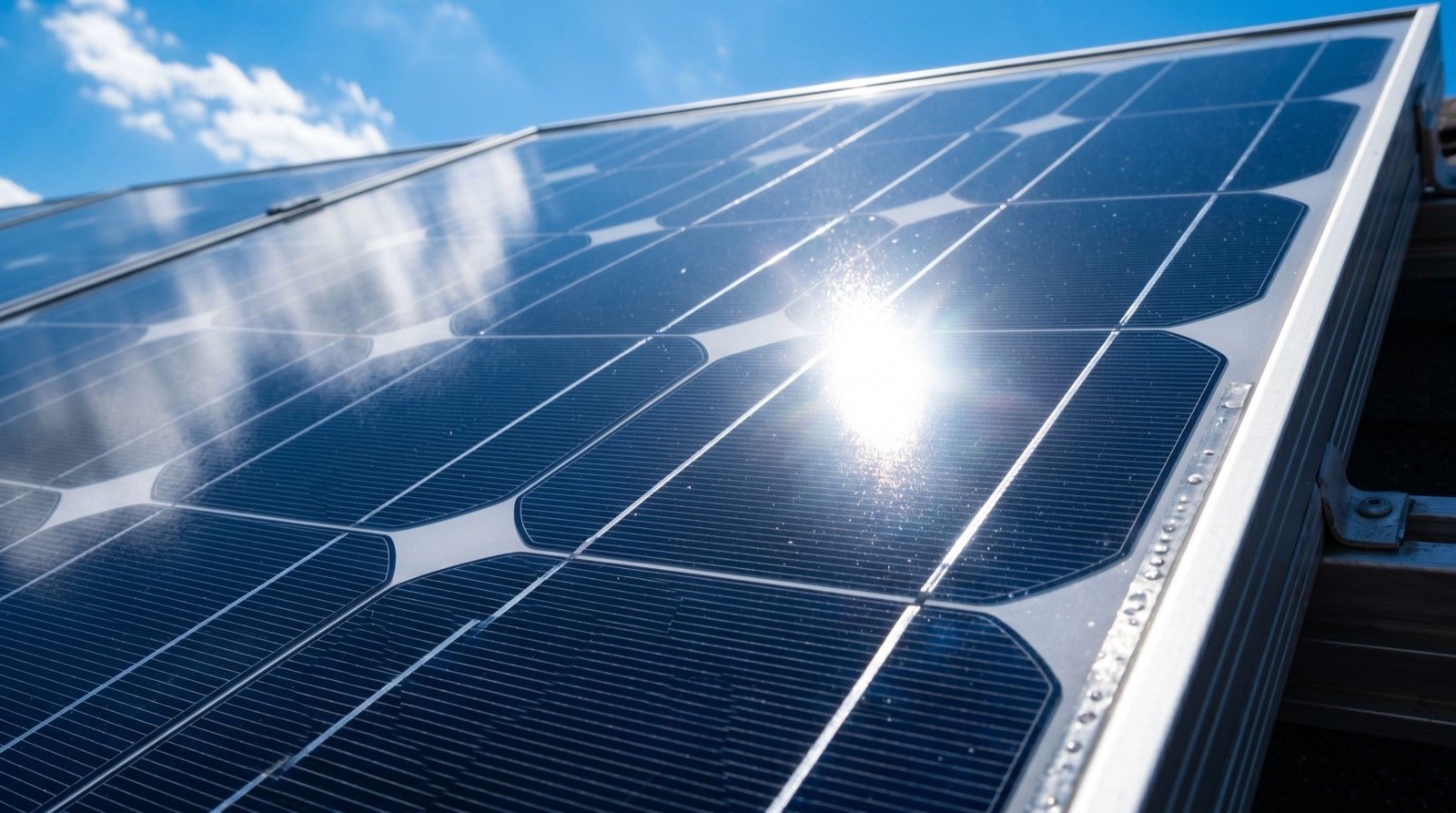
The single biggest variable is panel wattage and brand tier. Tier-1 mono PERC and N-type panels cost more per unit but produce more power and last longer. Local and lower-tier panels cost less upfront but degrade faster.
Here is a realistic snapshot of per-watt and per-panel pricing you can expect this year. If you are comparing quotes for solar panels price in Pakistan, use these figures as your baseline.
| Panel Type | Wattage | Approx. Price (PKR) | Best For |
|---|---|---|---|
| Poly-crystalline | 350–450W | Rs 9,500–13,000 | Budget setups |
| Mono PERC | 540–580W | Rs 15,000–21,000 | Homes, best value |
| N-Type TOPCon | 580–620W | Rs 22,000–28,000 | Premium, long-term |
| Bifacial | 580–700W | Rs 26,000–34,000 | Ground mounts, farms |
These prices are for panels alone. A full turnkey system also includes an inverter, mounting structure, wiring, protection gear, and labor.
What Drives the Total Cost of a Solar System?
Panels usually make up only 40–50% of a complete installation. The rest comes from balance-of-system components and the quality of the workmanship.
- Inverter: A reliable hybrid inverter is the brain of the system and often the second-largest cost.
- Mounting structure: Galvanized or aluminium rails resist rust and last decades.
- Batteries (optional): Lithium storage adds cost but delivers backup during load-shedding.
- Cabling and protection: DC/AC cables, breakers, surge protection, and earthing.
- Installation labor: Skilled teams charge more but prevent costly mistakes.
Cutting corners on wiring or mounting is the fastest way to lose money later. Quality installers who act as reliable local experts will document every component so you know exactly what you are paying for.
How Much Does a Full Home System Cost?
Most Pakistani households land in the 5kW to 12kW range depending on load. Here is what a complete on-grid system typically costs in 2026.
| System Size | Monthly Output | Approx. Turnkey Price (PKR) |
|---|---|---|
| 5 kW | ~650 units | Rs 750,000–1,050,000 |
| 7.5 kW | ~950 units | Rs 1,050,000–1,450,000 |
| 10 kW | ~1,300 units | Rs 1,350,000–1,900,000 |
| 12 kW | ~1,550 units | Rs 1,650,000–2,300,000 |
Adding lithium battery backup typically raises the price by Rs 250,000 to Rs 600,000 depending on capacity. On-grid systems without batteries offer the fastest payback because you export surplus to the grid under net metering.
How Do You Size Your Solar System Correctly?
Sizing wrong is the most common and expensive mistake. Follow these steps to get it right.
- Pull your last 12 electricity bills and note your average monthly units (kWh).
- Divide monthly units by 30 to find daily consumption.
- Divide daily units by roughly 4.5 (average peak sun hours in Pakistan) to estimate needed kW.
- Add 15–20% headroom for panel degradation and future appliances.
According to the International Energy Agency, solar PV remains the cheapest source of new electricity in most markets worldwide, which is exactly why demand keeps rising across South Asia. Professional solar panel installation Pakistan teams run a proper load audit before recommending a size, so you neither under-build nor overpay.
How to Avoid Overpaying in 2026
Solar quotes vary wildly because there is no fixed retail standard. Protect yourself with a few simple habits.
- Always ask for panel brand, model, and datasheet, not just wattage.
- Compare per-watt system pricing, not lump-sum quotes.
- Confirm the inverter warranty is at least 5 years and panels 12–25 years.
- Get the net-metering registration included in writing.
- Avoid deals that seem far below market; cheap panels degrade fast.
Which Panel Brands Deliver the Best Value in 2026?
Brand reputation matters because it predicts real-world durability and warranty support. In the 2026 Pakistani market, buyers weigh Tier-1 international names against competitively priced regional options. The right choice depends on your budget and how long you plan to stay in your home.
Tier-1 manufacturers publish independently verified degradation curves, typically losing under 0.5% output per year. That means a premium panel still produces roughly 87% of its rated power after 25 years. Lower-tier panels often degrade twice as fast, quietly eroding your savings.
- Premium tier: Highest efficiency, lowest degradation, 25-year performance warranty.
- Mid tier: Excellent value, solid warranties, ideal for most homes.
- Budget tier: Lowest upfront cost, but faster degradation and shorter life.
My practical advice after seeing many installations: spend a little more on panels and inverters, and save elsewhere if you must. Panels are the one component you cannot easily swap once mounted, so quality here pays off for decades.
What Government Incentives and Financing Exist?
Beyond falling hardware costs, financing options have widened access to solar in 2026. Several banks now offer dedicated solar loans, and net metering remains the most valuable ongoing incentive because it lets you sell surplus power back to the grid.
When you evaluate financing, compare the total cost of borrowing against your projected energy savings. Because a well-sized system often saves more per month than a typical loan installment, many homeowners go solar with little to no net monthly outlay from day one.
- Bank solar financing spreads the upfront cost over manageable installments.
- Net metering credits reduce or eliminate your ongoing electricity bill.
- Falling panel prices mean smaller loans for the same output than in prior years.
Always confirm that installation, net-metering registration, and warranty are all bundled into your financed package so there are no surprise costs later.
Frequently Asked Questions
What is the cheapest solar panel price in Pakistan right now?
Budget poly-crystalline panels start around Rs 9,500 for 350–450W units. However, mono PERC panels often deliver better long-term value because they produce more power per rupee and last longer.
Is a battery necessary for a home solar system?
No. If your goal is bill reduction, an on-grid system without batteries pays back fastest. Batteries make sense only if you need backup during load-shedding or live in an area with an unstable grid.
How long does a solar system take to pay for itself?
With net metering, most well-sized on-grid systems in Pakistan pay back in roughly 3 to 5 years, then deliver free power for two more decades.
Do panel prices change with the dollar rate?
Yes. Because panels and inverters are imported, exchange-rate swings move prices. Buying when the rupee is stable and global supply is high, as in 2026, gets you the best deal.
Conclusion
The solar panels price in Pakistan in 2026 is the most affordable it has been in years, making now an ideal time to switch. Focus on total system value, correct sizing, and honest quotes rather than the lowest sticker price. Do that, and your rooftop will pay you back for decades. Ready to get an accurate, no-nonsense quote? Contact MTech Solar Solutions today and let a trusted local team design the right system for your home or business.